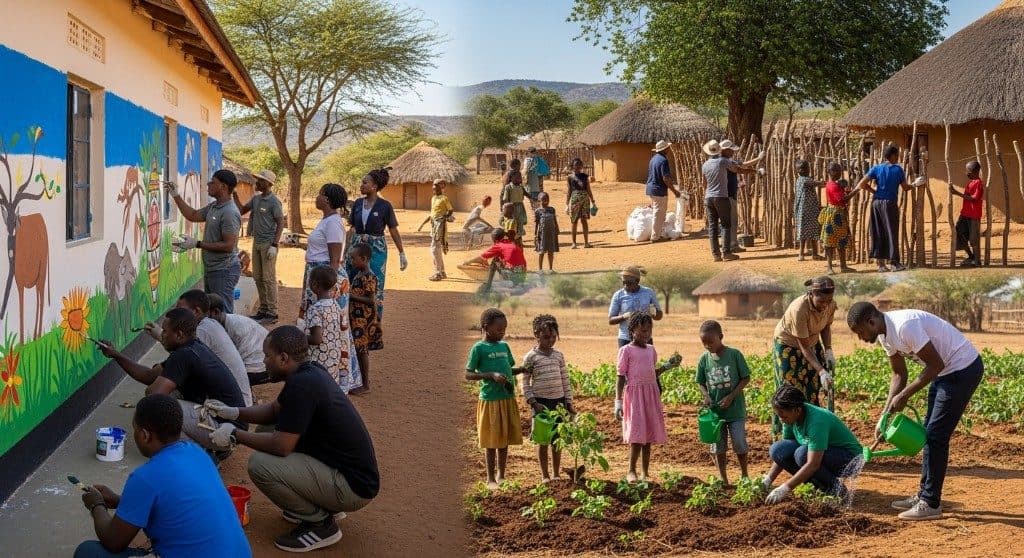
Dedicated to Health, Driven by Evidence
The Centre for Health and Wellbeing Research and Interventions (CHWRI) is an independent health research institution rooted in Walewale, Ghana. We generate knowledge, test what works, and partner with communities and systems to turn evidence into better care and healthier lives.
A Multidisciplinary Hub for Health and Wellbeing
CHWRI brings together researchers, practitioners, and community partners to address complex health challenges with seriousness, care, and intellectual honesty.
Based in Walewale, in Ghana's North-East Region, CHWRI operates as a multidisciplinary centre where public health, clinical insight, social science, and community practice meet. We were established to narrow the distance between research and everyday care—so findings inform frontline decisions, and real-world questions shape the research agenda.
Our work spans studies, pilots, and implementation support: from maternal and child health to preventive care, mental wellbeing, and health systems strengthening. Across themes, we hold the same standard—work that is ethically conducted, clearly communicated, and oriented toward measurable benefit for people and institutions.
- Locally rooted priorities with internationally recognised methods
- Strong ethics, data stewardship, and respect for participants
- Knowledge shared in forms useful to policymakers and practitioners
Research that reaches practice
Too often, excellent research stops at publication. CHWRI was founded to keep the thread intact—from question to evidence to action—working alongside district health teams, facilities, and communities so insights translate into protocols, programmes, and policy dialogue where they are needed most.
Whether we are evaluating an intervention, co-designing a training curriculum, or supporting data use for planning, we treat partnership and rigour as inseparable. That is how research earns trust—and how trust sustains impact over time.
Vision & Mission
Our vision describes the institution we are building; our mission defines how we pursue it, every day.
Vision
To be a leading centre of excellence in health and well-being research and interventions, driving innovations that transform lives and strengthen communities.
Mission
To advance health and well-being through high-quality research, evidence-based interventions, and collaborative partnerships. CHWRI is committed to improving access to care, promoting healthier lifestyles, and generating knowledge that informs policy and practice for sustainable impact.
Our Core Values
These principles guide how we design studies, engage communities, and steward the trust placed in us.
Integrity
We uphold the highest ethical standards in all our research, partnerships, and community engagements.
Excellence
We pursue the highest quality in research, service delivery, and every aspect of our work.
Innovation
We embrace creative approaches and new methodologies to solve complex health challenges.
Equity
We are committed to reducing health disparities and ensuring fair access to care for all communities.
Collaboration
We work alongside communities, institutions, and partners to create shared solutions and lasting impact.
Impact
We measure our success by the tangible improvements we bring to people’s health and wellbeing.
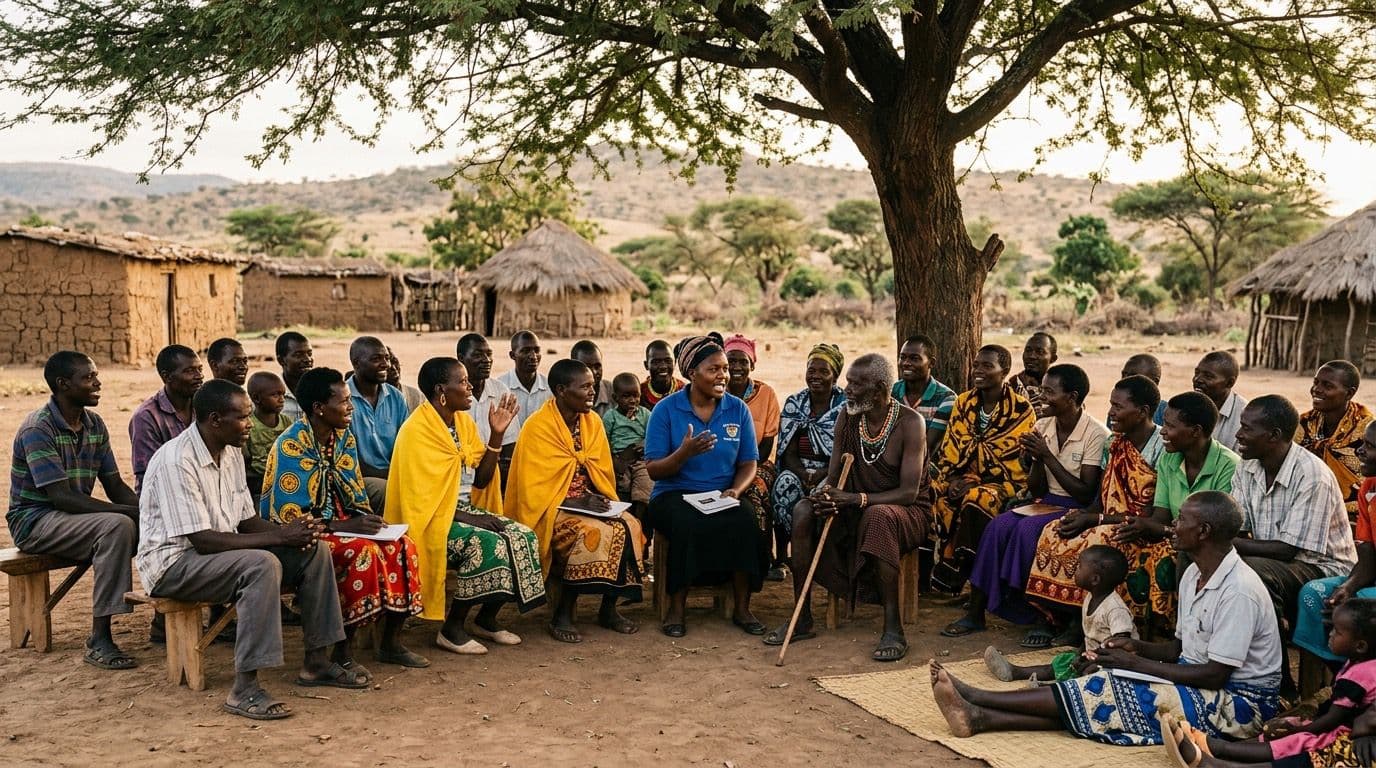
Why CHWRI Exists
Northern Ghana carries a disproportionate share of preventable morbidity and mortality. Closing that gap requires more than good intentions—it requires evidence that fits context.
Rural and underserved communities are frequently under-represented in research and in the evidence base that shapes guidelines. When data are sparse or drawn from distant settings, programmes risk missing cultural realities, access barriers, and the strengths communities already bring to care.
- Persistent burdens from infectious disease, maternal and child health risks, and rising non-communicable conditions
- Pressure on primary care, transport, and health workforce capacity across dispersed populations
- A need for implementation research that speaks to district realities—not only global averages
CHWRI exists to anchor high-quality, locally rooted, globally connected health research in the north—partnering with people who live the challenges and with institutions positioned to act on what we learn together.
Our Approach
Four pillars shape how we plan projects, engage partners, and measure progress.
Community-Centred
We begin with community priorities, lived experience, and local leadership—designing research and programmes that reflect what people need, not only what is convenient to measure.
Evidence-Driven
Rigorous methods, transparent reporting, and careful interpretation guide every study and intervention, so decisions rest on dependable evidence rather than assumption.
Collaborative
We work across disciplines, institutions, and borders—linking clinicians, academics, policymakers, and communities in shared learning and shared accountability.
Sustainable
We invest in capacity, systems, and relationships that outlast individual projects, aiming for durable improvements in health services and community wellbeing.
Walewale, North-East Region
A strategic base for reaching surrounding districts and supporting community-centred health action.
Geographic & Community Context
Location is not incidental to our mission—it shapes the questions we ask and the partnerships we prioritise.
The North-East Region combines agricultural livelihoods, growing towns, and dispersed settlements. Seasonal patterns, mobility, and infrastructure interact with care-seeking, supply chains, and workforce deployment in ways that national aggregates can obscure.
Anchoring CHWRI in Walewale signals a deliberate choice: to build institutional depth where context-rich inquiry is most needed, and to strengthen the research ecosystem in northern Ghana through training, mentorship, and sustained collaboration with the health sector.
- Attention to access, seasonality, and primary-care realities
- Engagement with traditional and formal structures that influence health
- Commitment to ethical, respectful research practice in every community
Our Team
Core staff profiles are being added progressively. Verified institutional biographies and photos are published as they are approved.
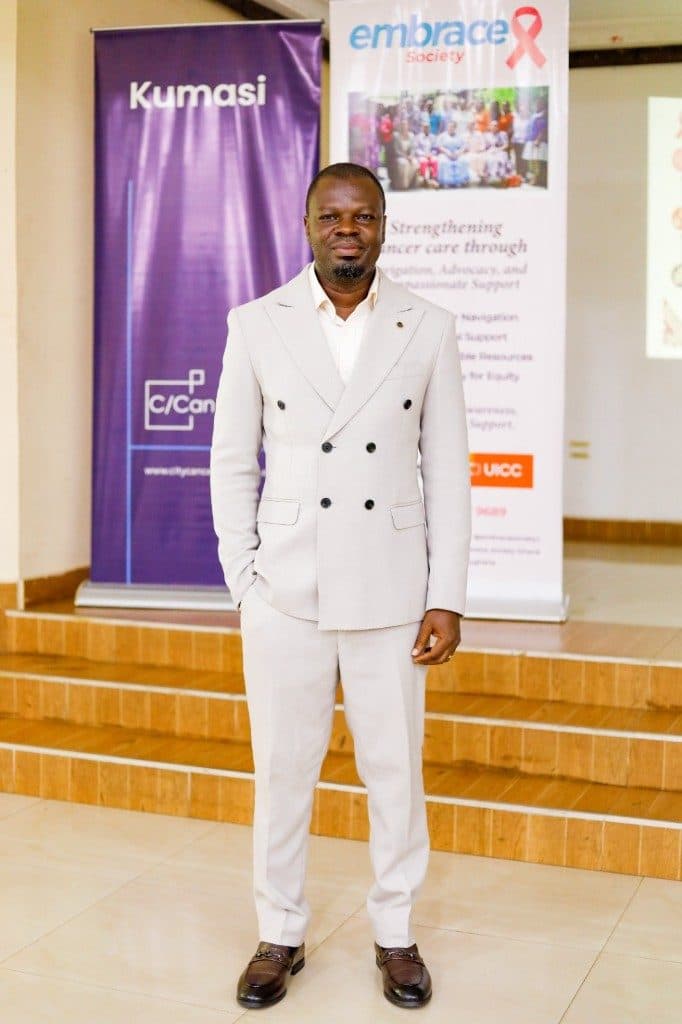
Abubakari Jaliu
Chief Executive Officer (CEO)
Centre for Health & Wellbeing Research and Interventions (CHWRI)
Public health leader with over a decade of experience in implementation research, health systems strengthening, nutrition, MEL, and social and behaviour change communication. He leads CHWRI's evidence-driven strategy and currently pursues a PhD in Public Health with a focus on non-communicable diseases.
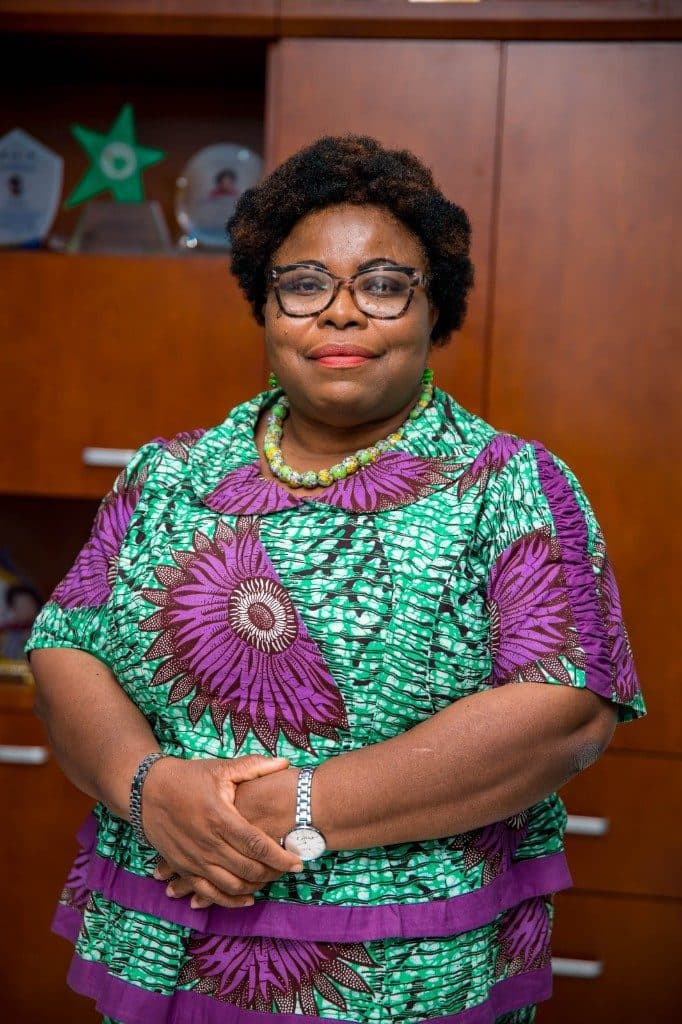
Prof. Lydia Aziato
Board Director
Vice Chancellor, University of Health and Allied Sciences (UHAS)
Distinguished nurse leader, oncology expert, and academic with a PhD in Nursing. Vice Chancellor of UHAS and author of over 90 peer-reviewed publications, she provides strategic leadership and academic guidance across CHWRI's research, capacity building, and cancer prevention initiatives.
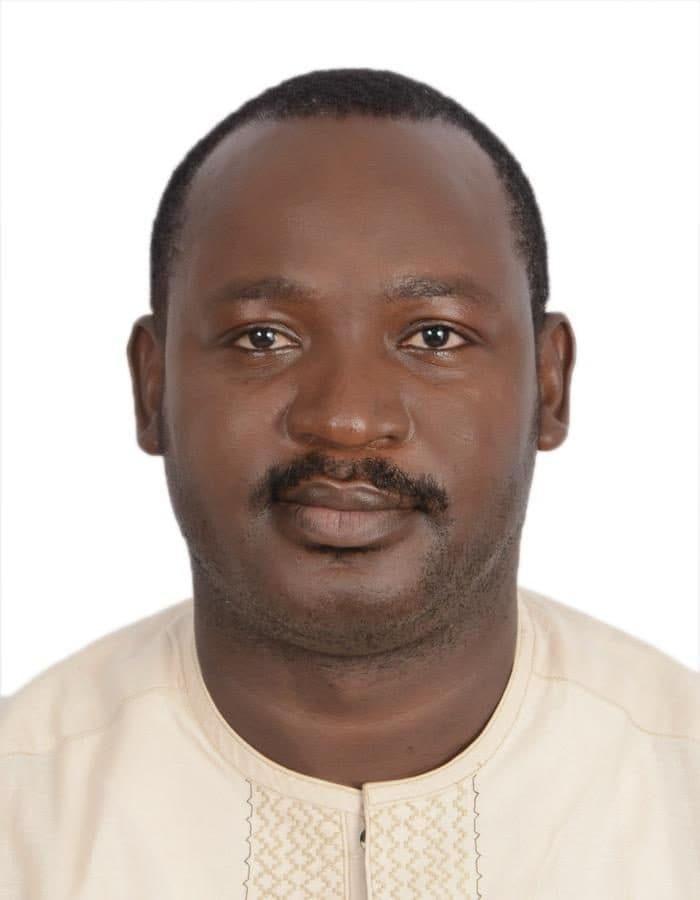
Dr. Raymond Akawire Aborigo
Board Director
Chief Health Research Officer, Navrongo Health Research Centre (Ghana Health Service)
Global public health researcher (PhD, Monash University) with over two decades of experience across health systems research, maternal and newborn health, non-communicable diseases, mental health, and bioethics. Author of 80+ peer-reviewed publications, he has consulted for WHO, UNICEF, USAID, and CDC, strengthening evidence-informed policy and research capacity.

Dr. Mohammed Ali
Board Director
Country Health and Innovation Team Lead, EISD
Development management, research, and evaluation professional with 17 years of experience across Africa. Holding a PhD in Healthcare Management and an MPH, he specializes in RMNCAH, SRHR, monitoring and evaluation, and community health systems. He has led major USAID and CRS programmes and consulted for Africa CDC, UNDP, WaterAid, and other partners.

Jamal Mohammed Abubakari
Head, Internal Audit Department
Nursing and Midwifery Training College, Nalerigu (Ministry of Health, Ghana)
Public sector Internal Auditor and governance professional with extensive experience in risk management, internal controls, and regulatory compliance. Jamal holds an MBA in Auditing (UPSA), is a member of the Institute of Internal Auditors Ghana, and contributes to both institutional accountability and community leadership.

Ready to Make a Difference?
Partner with CHWRI on research, implementation, or capacity building—or start a conversation about how we can work together for healthier communities.