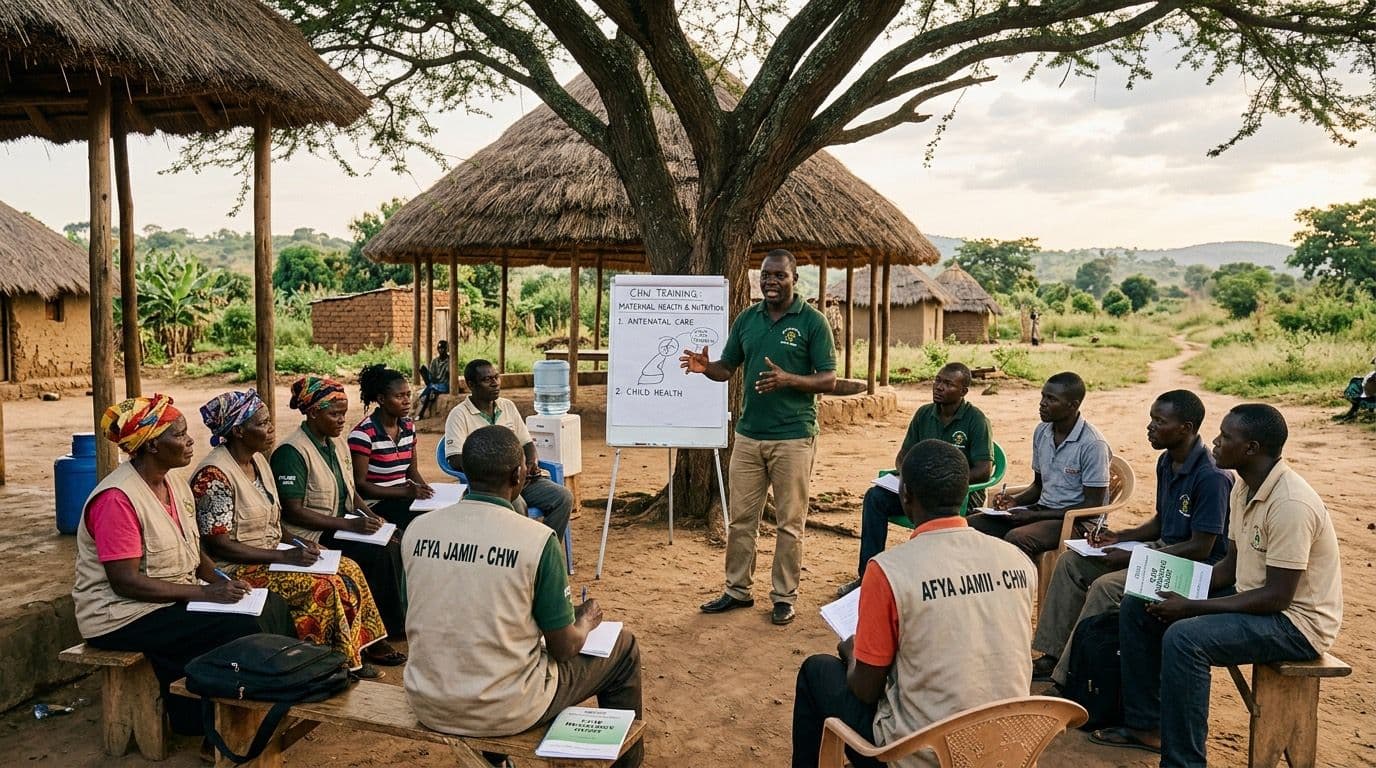
Building Resilient, Equitable Health Systems
Systems work rooted in northern Ghana
CHWRI partners with districts, facilities, and communities around Walewale to strengthen how care is organised, financed, and delivered—so progress lasts beyond any single project.
Health systems strengthening at CHWRI connects implementation research with practical support: building skills where the workforce is stretched, improving the quality and continuity of services, and making sure data and community voices inform decisions at facility, district, and regional levels.
Our work in the Upper East corridor recognises that resilient systems are equitable systems—reaching rural households, supporting women and children, and closing gaps between policy intent and what people experience at the front line.
Health workforce support
Investing in those who deliver care—through structured training, professional growth, and sustained mentorship close to where they work.
Training & frontline practice
- Competency-based training for nurses, midwives, and allied staff aligned to national guidelines and local burden of disease.
- On-site and blended learning so teams in Walewale and neighbouring districts can practise skills without long absences from service.
- Simulation and case-based sessions focused on maternal and child health, infection prevention, and chronic care where services are expanding.
Professional development & mentorship
- Structured mentorship linking facility teams with CHWRI facilitators and district clinical leads.
- Peer learning circles for community health workers and facility staff to share challenges and solutions.
- Career pathways support—documentation, reflective practice, and links to continuing professional development opportunities.
Service delivery improvement
Sharpening how care is experienced—clinical quality, respectful patient engagement, and reliable supplies for everyday practice.
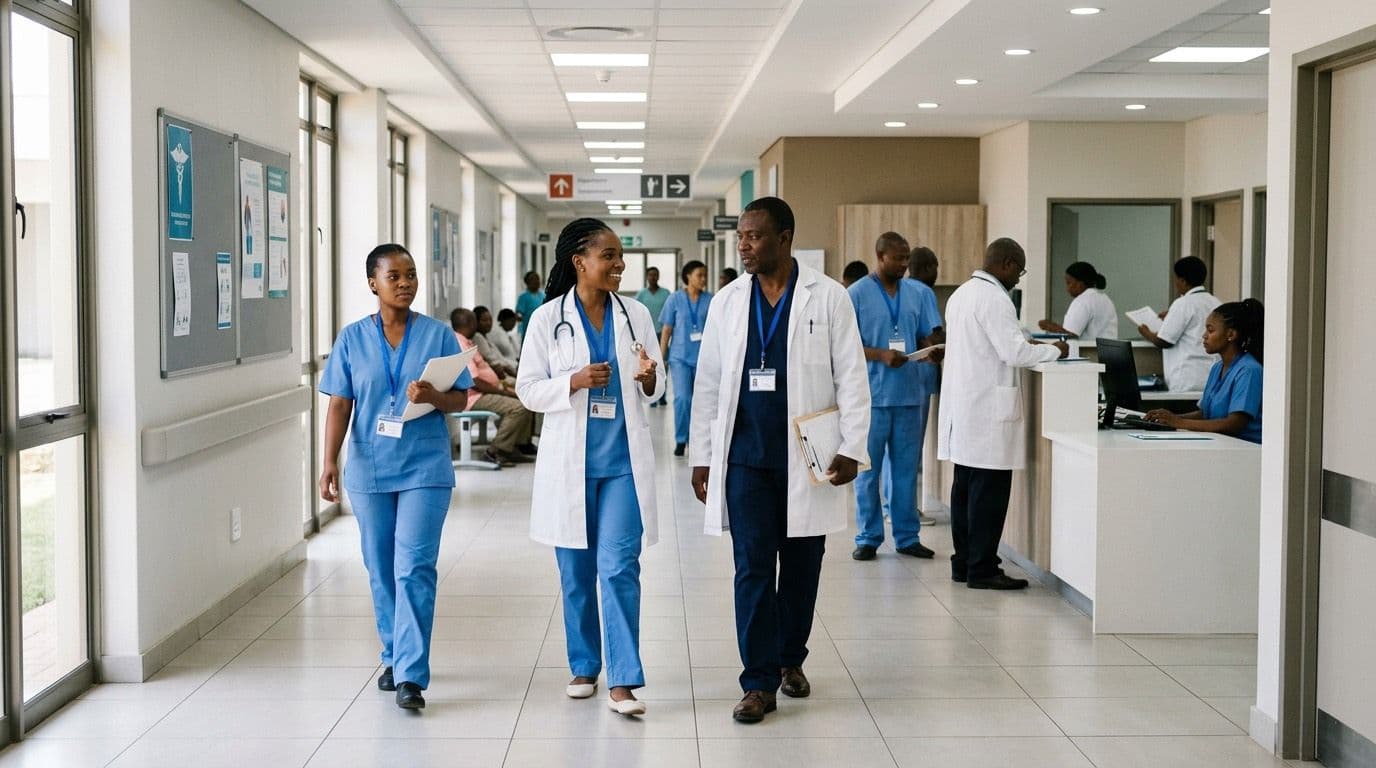
Quality of care
Clinical audits, checklists, and supportive supervision that turn standards into routines—reducing harm and building confidence in rural facilities.
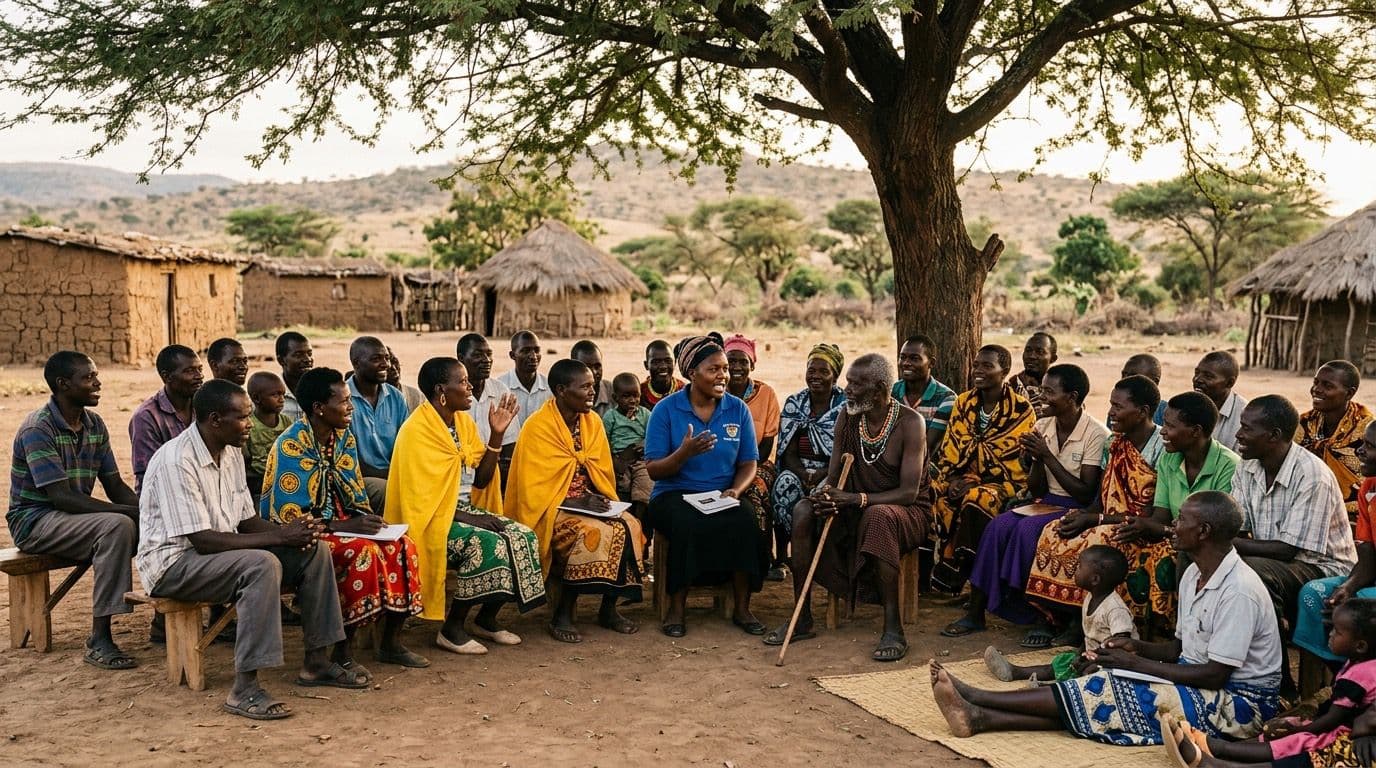
Patient-centred approaches
Communication skills, waiting-time improvements, and feedback mechanisms so services respect dignity, language, and the realities of household travel and cost.
Supply chain & logistics
Tracking essential medicines and commodities, addressing stock-outs, and strengthening accountability between stores, facilities, and community delivery points.
Policy translation
Closing the loop between what we learn in the field and what leaders decide—through briefings, dialogue, and co-produced recommendations.
From evidence to policy
- Policy briefs and district memos that translate findings into feasible options—cost, staffing, and timeline included.
- Joint interpretation sessions with managers so data are read in context, not as abstract scores.
- Alignment with national programmes while making space for northern Ghana’s epidemiology and infrastructure constraints.
District & regional engagement
- Regular engagement with district health management teams on priorities, bottlenecks, and implementation learning.
- Participation in regional technical working groups where CHWRI shares monitoring insights and implementation science perspectives.
- Formal and informal feedback loops so community-level signals reach planners—not only facility reports.
Data systems & evidence use
Better registers, dashboards, and habits of review—so managers and clinicians can act on timely, trustworthy information.

Health information systems
Support for registers, electronic tools where available, and data standards that reduce duplication and clarify who is reached by which service.
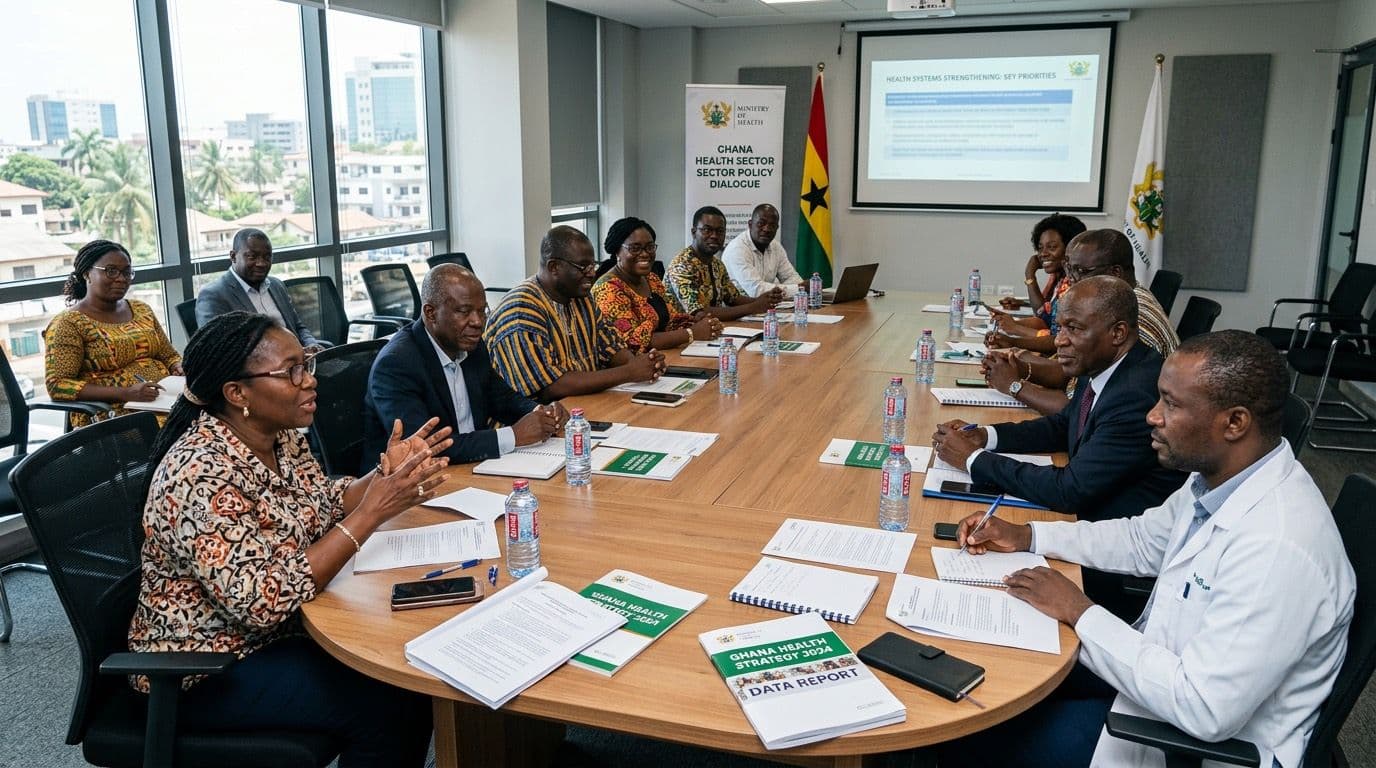
Data-driven decision-making
Facilitated review meetings, simple visual analytics, and indicators tied to quality and equity—not only activity counts.
HMIS & reporting support
Validation, timeliness, and use of routine data—helping districts see patterns early and respond before gaps widen.
Community–health linkages
Community health workers and trusted structures bridge households and facilities—when referral, feedback, and engagement are intentional, outcomes improve.
CHWs as bridges
- Clear roles between volunteers, CHOs, and facility teams—with supervision that protects workers and clarifies escalation.
- Household follow-up after facility visits so treatment and prevention plans are understood and completed.
- Referral systems that are two-way: facilities inform communities, and communities signal barriers early.
Referral & community engagement
- Mapped referral pathways with agreed triggers, transport considerations, and feedback when patients do not arrive as expected.
- Community engagement platforms—dialogue days, women’s groups, and youth channels—aligned to district health priorities.
- Integration with local governance so health messages and services reinforce, rather than compete with, community leadership structures.
Capacity & training
Short courses, workshops, and continuing education that build institutional memory—not one-off events without follow-up.
Workshops & intensives
Focused sessions for district teams and facility in-charges—problem-solving, action planning, and tools they can reuse after CHWRI facilitators step back.
Continuous education
Refresher cycles, remote support, and light-touch coaching so new skills settle into practice and are refreshed as guidelines evolve.

Strengthen Health Systems With Us
Partner with CHWRI to combine implementation support, learning, and respectful community engagement in Walewale and across northern Ghana. We work best alongside districts, NGOs, and funders who share long-term system goals—not only project outputs.