Comprehensive Health Solutions Through Research and Action
From our base in Walewale to national partnerships, CHWRI unites rigorous science with community-grounded action—so evidence strengthens care, systems, and policy across Ghana.
One integrated approach to health improvement
We do not treat research, service delivery, and policy as separate silos. Each workstream reinforces the others: questions emerge from communities, methods are transparent and ethical, and learning flows back into programmes and governance.
At the Centre for Health and Wellbeing Research Institute, teams in the Upper East Region collaborate across disciplines—medicine, public health, social science, and implementation—to strengthen prevention, treatment, and dignity for people who depend on resilient health systems. Our work is deliberately collaborative: we partner with facilities, districts, universities, and community leaders so improvements last beyond any single grant cycle.
Where focus meets expertise
Seven complementary pillars guide how CHWRI generates evidence, delivers interventions, and supports lasting change across Ghana.
Policy & Advocacy
Clear, actionable evidence for decision-makers—briefs, dialogues, and partnerships that align policy with what communities actually need.

Capacity Building
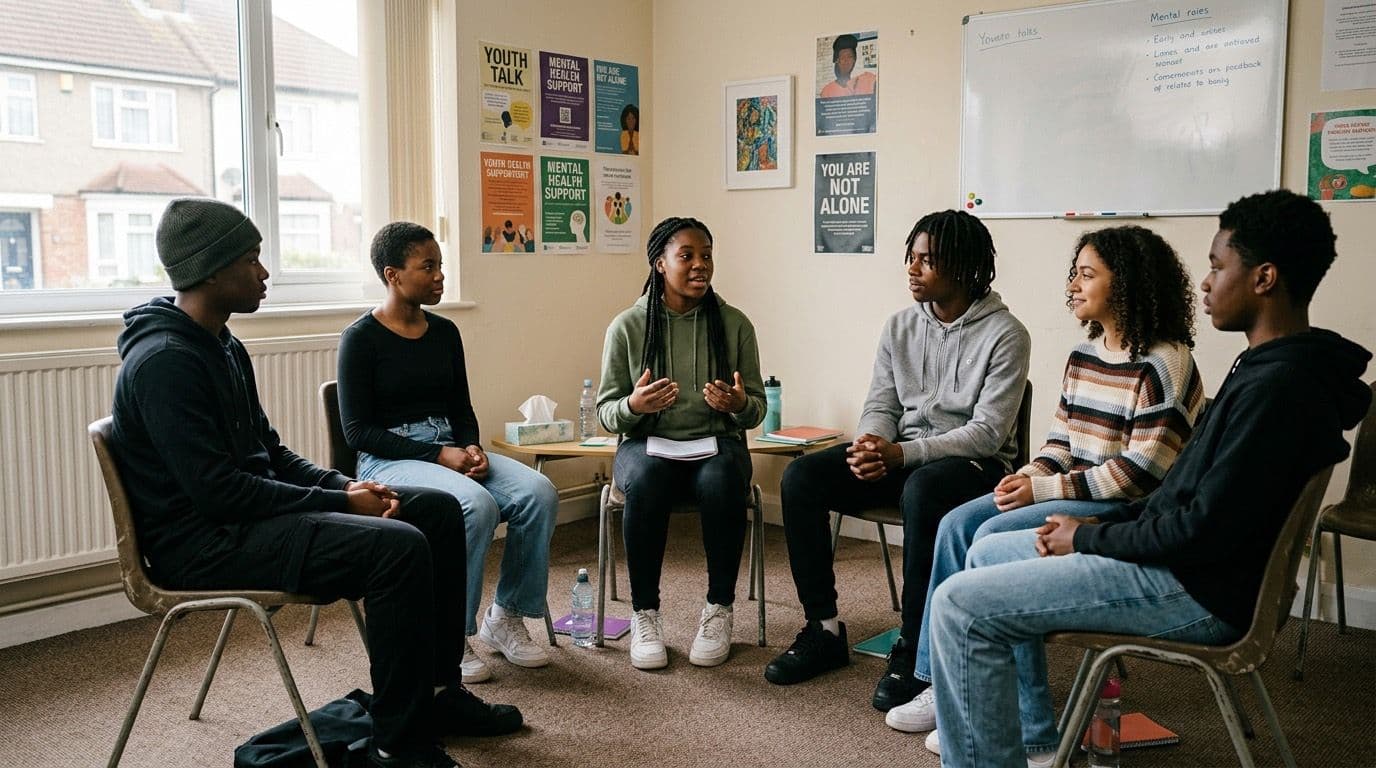
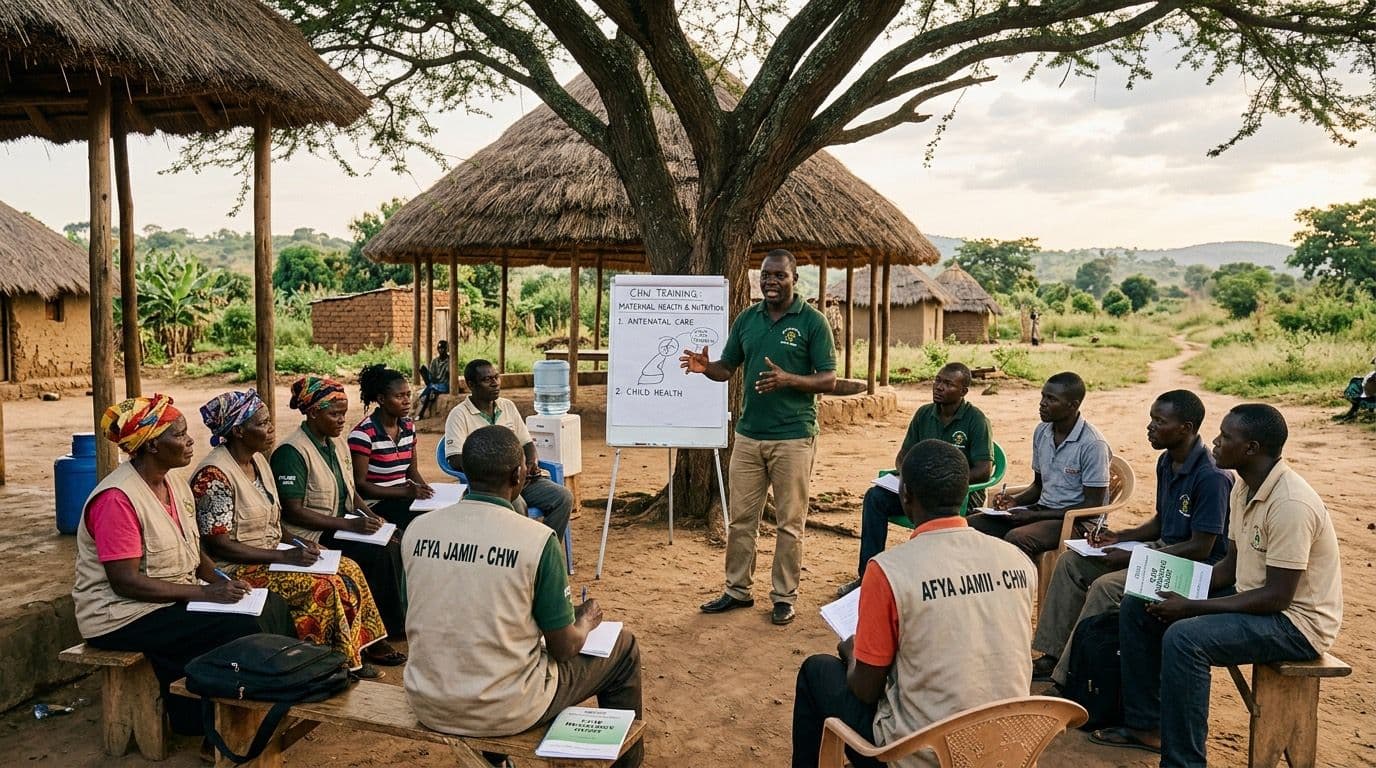
Mentorship, training, and research skills development for students, clinicians, and community health workers who will lead the next generation of impact.
Community Engagement
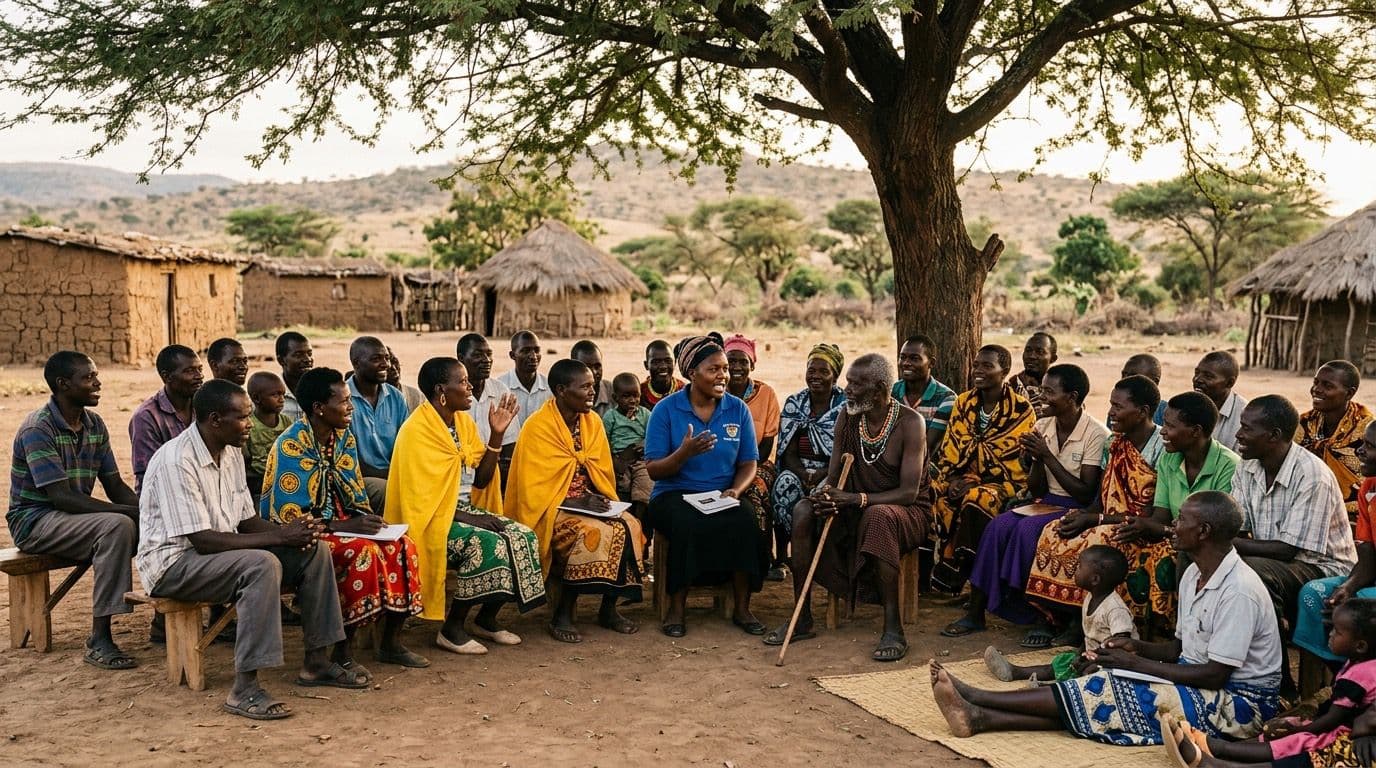
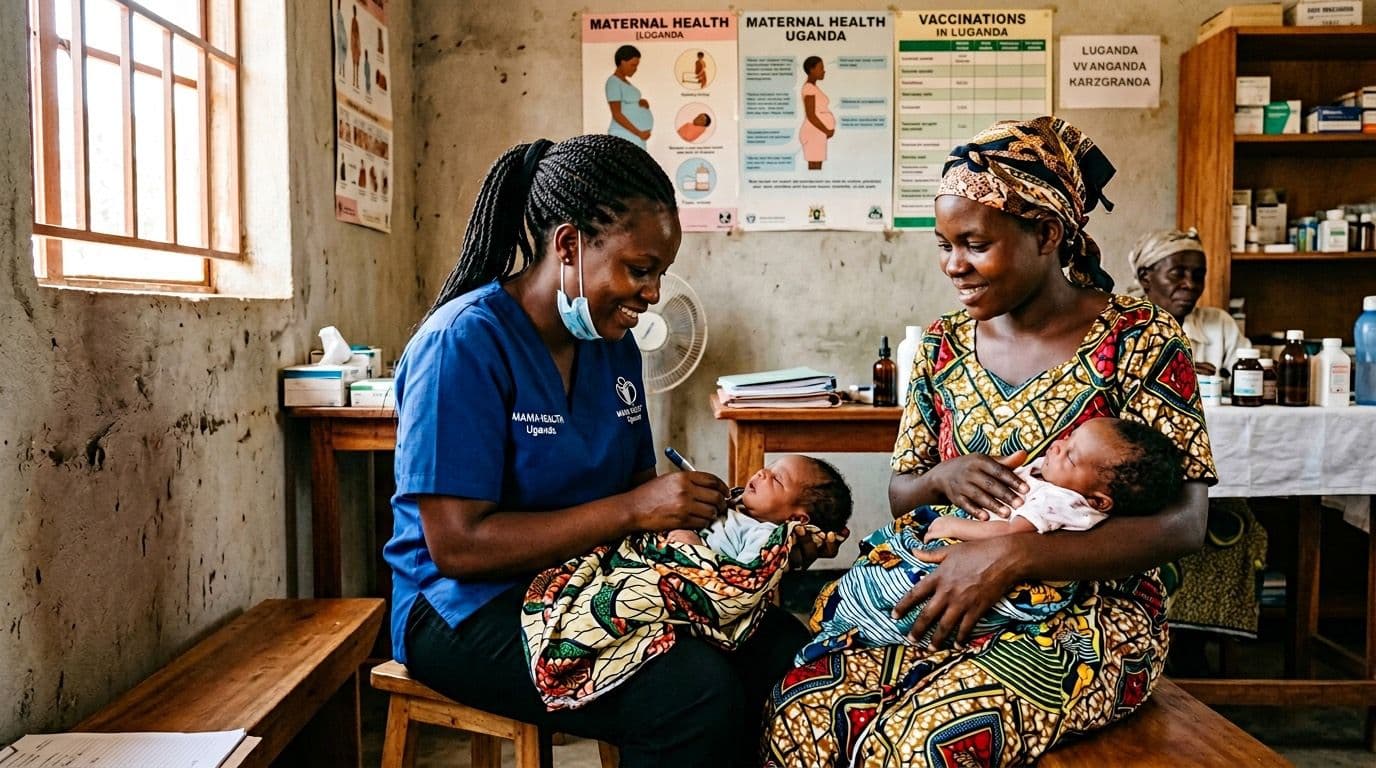
Participatory approaches that respect local knowledge, build trust, and ensure research and programmes reflect the lived experience of the people we serve.
Monitoring, Evaluation & Learning
Thoughtful metrics, reflection, and adaptive management so every project improves over time and contributes to a shared institutional memory.
Evidence that respects people and place
Our research agenda is built around questions that matter to patients, providers, and policymakers in northern Ghana and comparable settings. We prioritise transparent methods, community consent, and findings that can be acted on—not shelved.
- Quantitative and qualitative designs tailored to each question, from surveillance to in-depth lived-experience studies.
- Ethics and safeguarding woven into protocol design, fieldwork, and dissemination—not treated as an afterthought.
- Knowledge products formatted for both academic peers and district teams who need concise, practical guidance.
 Research imageryCommunity interventions
From evidence to everyday care
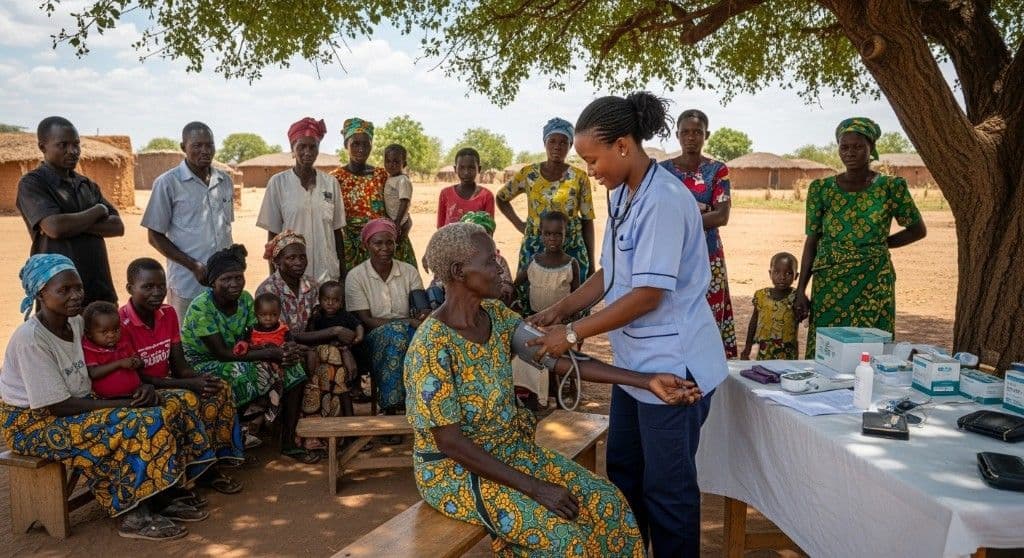
Interventions at CHWRI are designed with the same rigour as our studies. We test approaches in real-world conditions, refine them with frontline workers, and document what it takes to implement well in resource-conscious environments.
- Community-led models for prevention, screening, and chronic care support aligned with Ministry of Health priorities.
- Packages, job aids, and training that make new practices feasible for busy facilities and volunteer networks.
- Continuous feedback loops so programmes adapt to seasonal, cultural, and logistical realities in Walewale and beyond.
Stronger systems, steadier outcomes
Lasting health gains depend on infrastructure, people, and information working together. CHWRI supports districts and facilities to strengthen governance, supervision, and data use—so services are coordinated, accountable, and responsive.
- Workforce development and mentorship for clinical and public health cadres serving rural populations.
- Improvements to workflows, supply visibility, and referral networks that reduce fragmentation between levels of care.
- Data quality, dashboards, and learning forums that turn routine information into decisions—not just reports.
 Systems & facilitiesPolicy dialogue
Translating knowledge into policy momentum
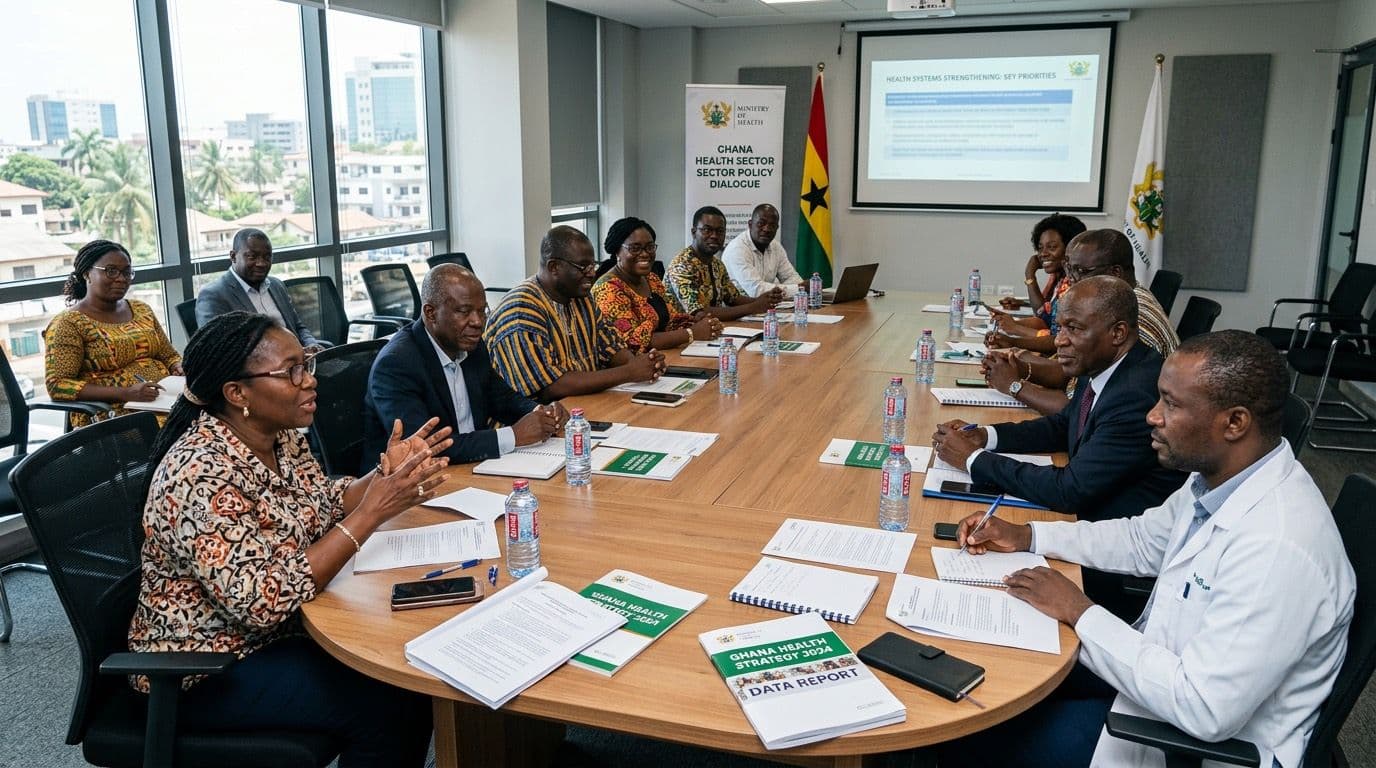
Evidence only matters when it reaches the right rooms. We invest in accessible briefs, stakeholder convenings, and media-savvy storytelling so policymakers, traditional authorities, and civil society can engage with nuance—not slogans.
- Policy notes and scorecards grounded in CHWRI data and aligned with national health strategies.
- Structured dialogues that connect researchers, implementers, and decision-makers around shared problems.
- Advocacy that elevates community voice alongside epidemiological trends—because numbers and narratives belong together.
Assess, design, implement, evaluate, scale
A disciplined cycle keeps our projects honest, adaptive, and oriented toward impact—not activity for its own sake.
Assess
We map context, stakeholders, and evidence gaps alongside communities and partners before a single intervention is designed.
Design
Solutions are co-created with ethics, feasibility, and scale in mind—never copy-pasted from elsewhere without local adaptation.
Implement
Delivery is disciplined and human: clear protocols, supportive supervision, and space for frontline insight to shape day-to-day practice.
Evaluate
Mixed methods and participatory feedback tell us not only what changed, but why—and what must be adjusted.
Scale
Promising approaches are documented and positioned for wider adoption through policy dialogue, training, and sustainable partnerships.

Collaborate with CHWRI
Whether you represent a district, a university, a funder, or a community organisation, we welcome partners who share our commitment to ethical, actionable health research—starting from Walewale and reaching across Ghana.