Evidence-Based Solutions for Community Health
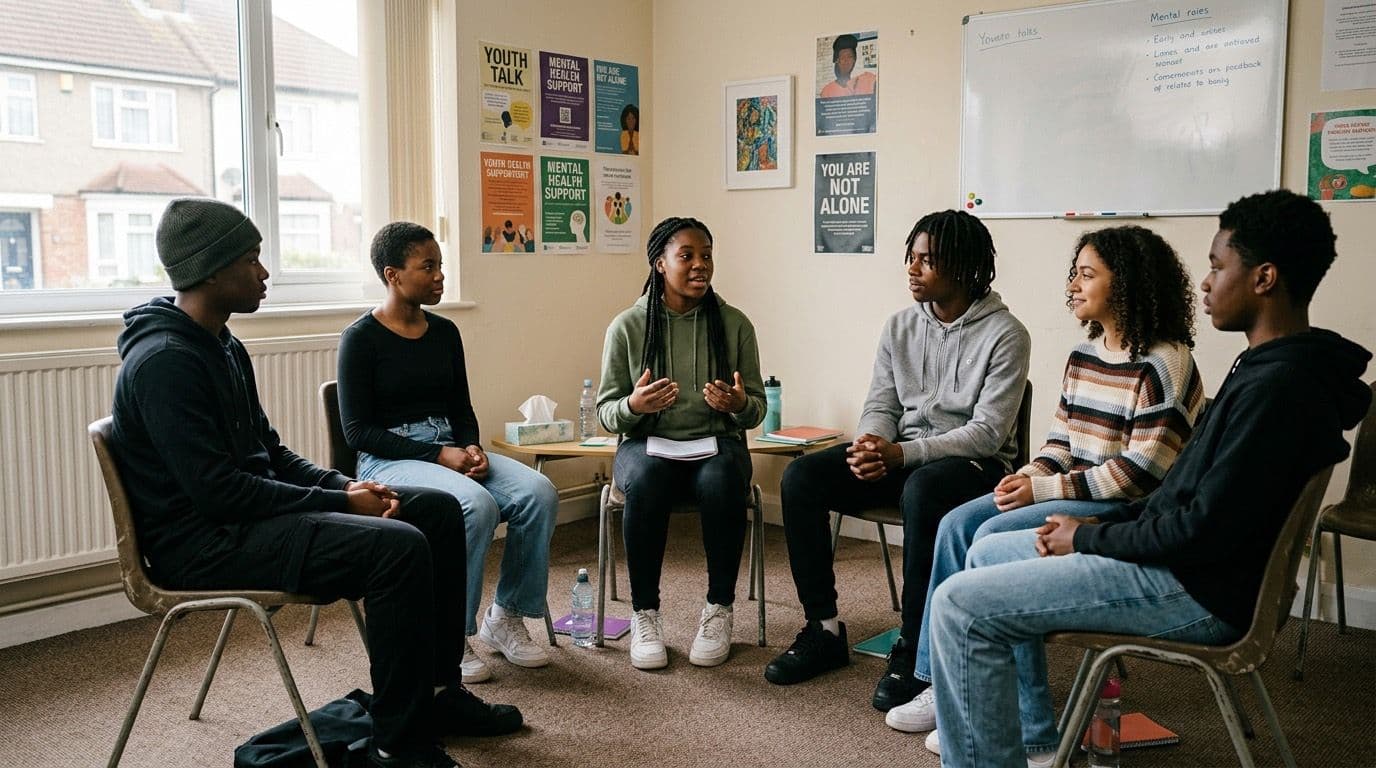
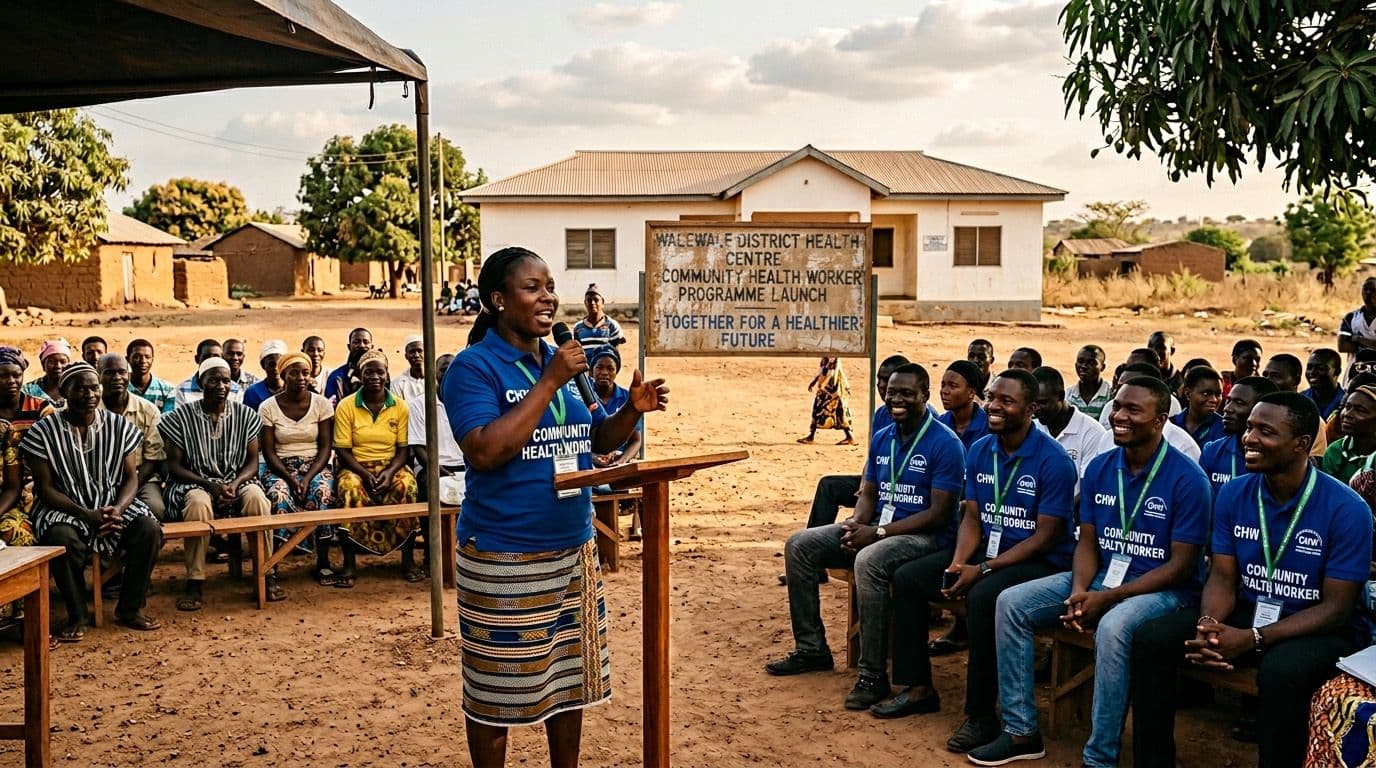
At CHWRI in Walewale, we design and implement health interventions that are grounded in evidence, shaped with communities, and built for the realities of northern Ghana. We partner with households, health workers, and institutions to move from insight to action—so programmes are not only effective on paper, but trusted, feasible, and sustained where it matters most.
Intervention Models
Three complementary ways we translate research and local knowledge into health improvements—always with clarity on who benefits, how change happens, and what we measure.
Community-Based Interventions
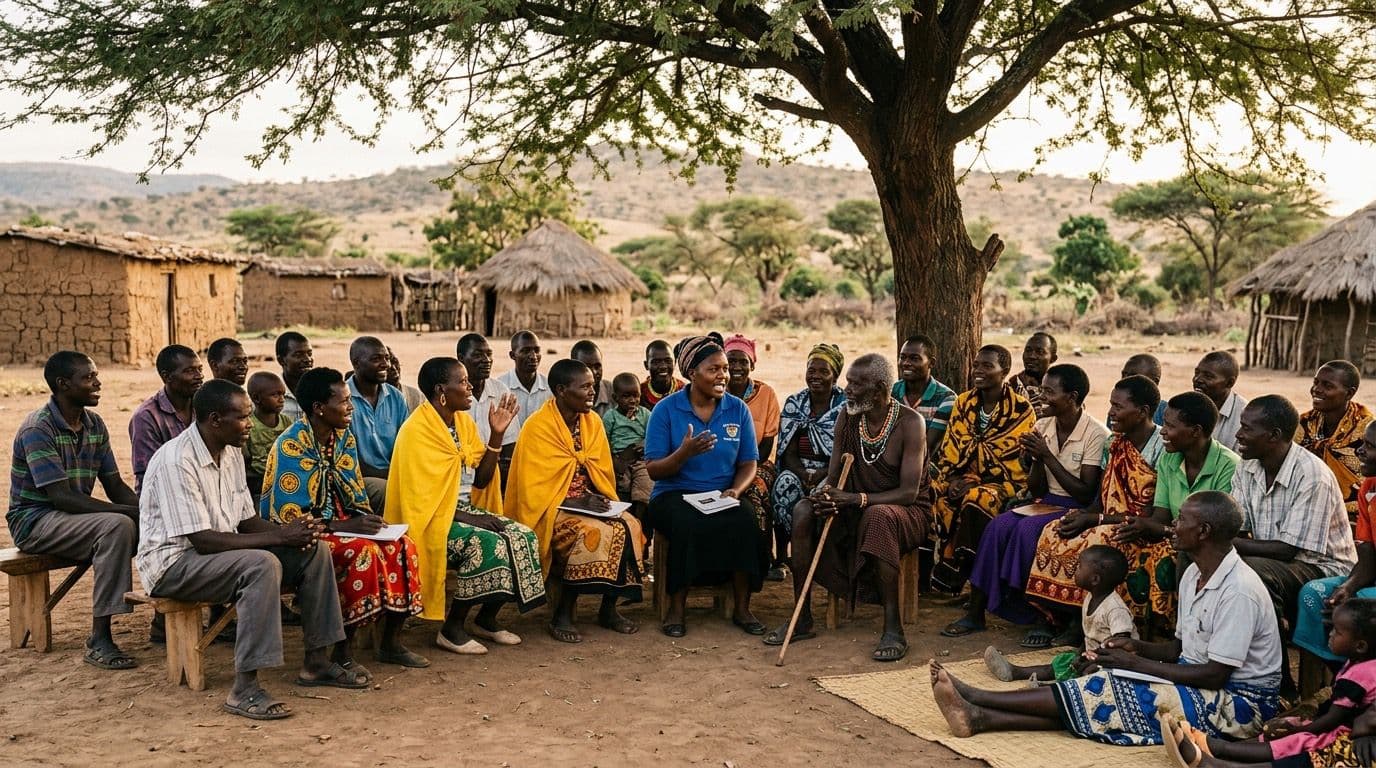
Outreach, peer support, and structured community activities that bring prevention, care navigation, and health literacy closer to people’s homes and daily lives.

Health Facility Strengthening
Workflows, training, supervision, and data use that help facilities deliver safer, more equitable care—linked to community programmes so no one falls through the gaps.
Behavioural Change Programmes
Evidence-informed messaging, social norms work, and repeated touchpoints that support lasting habits—from immunisation uptake to chronic disease self-care.
Community Implementation Approach
Implementation is a relationship, not a rollout checklist. We invest in trust, translation, and shared ownership so interventions fit context and outlast any single project cycle.
Co-created interventions grounded in local realities
CHWRI works alongside districts, facilities, and community structures in Walewale and the North-East Region—so interventions are co-owned, culturally grounded, and aligned with how people already seek care and support one another.
Co-design from the start
Communities help define problems, priorities, and acceptable solutions—so programmes reflect lived experience, not assumptions.
Cultural sensitivity
Language, norms, gender dynamics, and faith are woven into how we deliver messages, organise groups, and support care-seeking.
Local ownership
We strengthen community structures, volunteers, and facility teams who carry the work forward with clear roles and ongoing mentoring.
Sustainability by design
We align with district plans, routine services, and local resources to embed interventions into systems rather than parallel projects.
Intervention Focus Areas
Our portfolio spans the life course—from pregnancy and early childhood to adolescence and adult NCD risk—with programmes tailored to burden, readiness, and partnership opportunities in Walewale and the wider North-East Region.
Program Examples
Illustrative programmes that show how our models and focus areas come together—each with transparent status and geography so partners know where we are active and what is next.
Maternal & Newborn Care Pathways
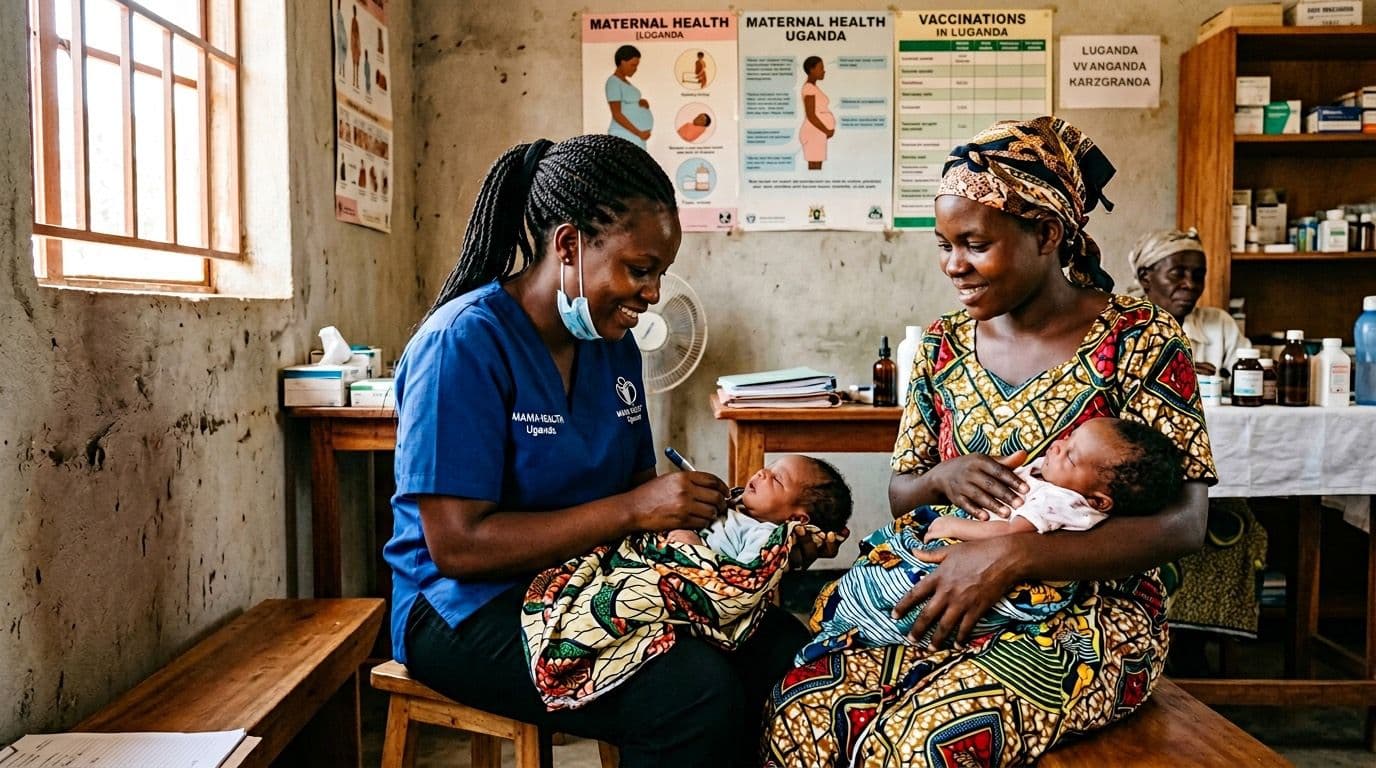
Integrated antenatal education, birth preparedness, and postnatal follow-up with facility and community linkages—designed with women’s groups and local midwives in the North-East Region.
Walewale & surrounding communities
School & Community Adolescent Wellbeing
Peer-led sessions on mental health literacy, healthy relationships, and help-seeking, co-facilitated with teachers and youth leaders to reach adolescents where they already gather.
North-East Region
NCD Risk Reduction & Healthy Living
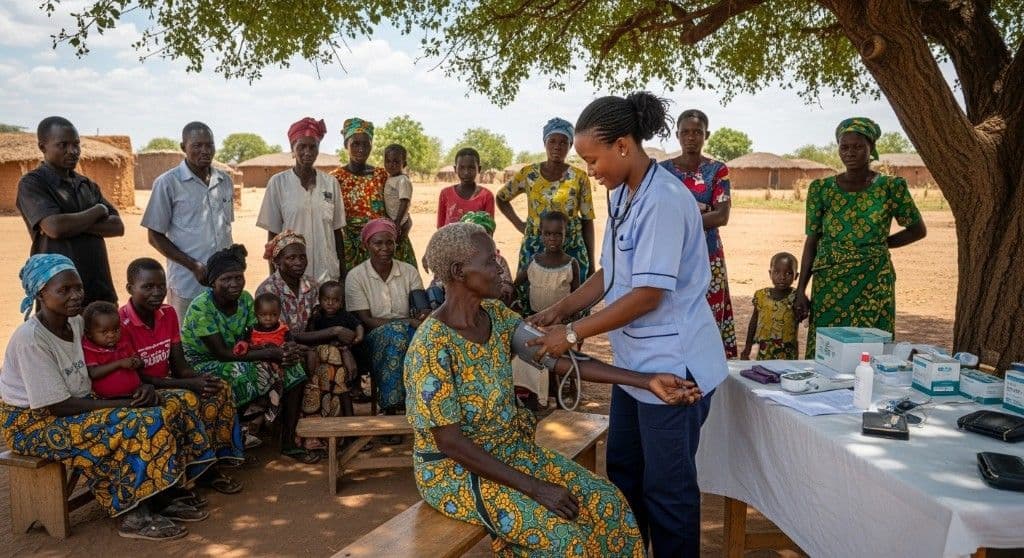
Community screening, lifestyle counselling, and follow-up for hypertension and diabetes risk, aligned with primary care teams to strengthen continuity and early detection.
Walewale District
Beneficiary-Centred Design
Beneficiaries are experts in their own lives. We treat community voice as a design input—not a consultation checkbox—using participatory methods to prototype messages, materials, and service flows before scale-up.
- Human-centred problem framing with community reference groups
- Iterative testing of tools and sessions in real settings
- Accessible formats: local languages, visual aids, and low-literacy-friendly content
- Feedback loops that adjust implementation mid-course based on what we hear
Impact Measurement
Rigorous measurement protects both communities and funders: we know what changed, why it mattered, and what to improve next—without reducing people to numbers alone.
Baseline assessments
Clear starting points on coverage, behaviours, and service quality so targets and equity gaps are visible from day one.
Ongoing monitoring
Routine indicators and qualitative check-ins during implementation to catch bottlenecks early and correct course.
Endline evaluations
Structured endline studies to assess outcomes, unintended effects, and cost-value insights for scale and policy dialogue.
Learning loops
Structured debriefs with staff and communities to document tacit knowledge and feed the next research and intervention cycle.

Support Our Intervention Programmes
Fund, co-implement, or share technical expertise—help us expand evidence-based programmes that communities trust and health systems can sustain.