
Generating Evidence for Health Impact
Research philosophy
CHWRI is committed to rigorous, ethical, and community-informed inquiry. We work in Walewale and partner communities as guests and learners—not as outsiders who extract data and leave.
Ethics and respect first
Every study is reviewed for social and clinical risk, proportionate consent, and clear benefit-sharing. We train field teams in cultural humility and safeguarding, and we document decisions so partners and communities can see how choices were made.
Participatory from question to dissemination
Participatory research means communities help define priorities, interpret early findings, and shape how results are shared—locally and nationally. Advisory groups, dialogue sessions, and plain-language outputs keep evidence tethered to the people it is meant to serve.
That approach strengthens validity: when measures and messages make sense locally, uptake by policymakers and practitioners improves—and trust endures beyond any single project.
Key research domains
Six pillars guide our portfolio—each connected to primary care, equity, and sustainable health improvement in northern Ghana.
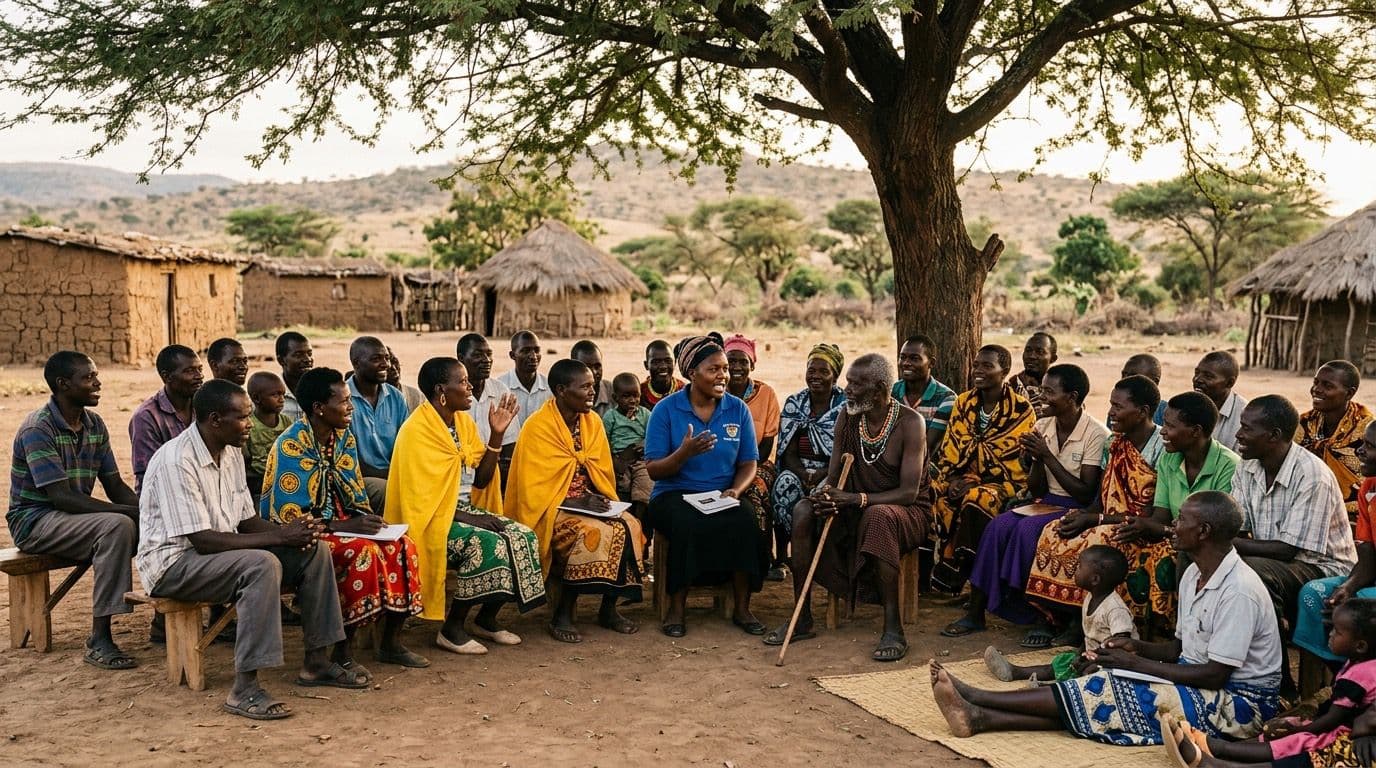
Community Health Research
Studying how households, CHWs, and facilities interact so interventions fit real life in Ghana’s Upper East and beyond.
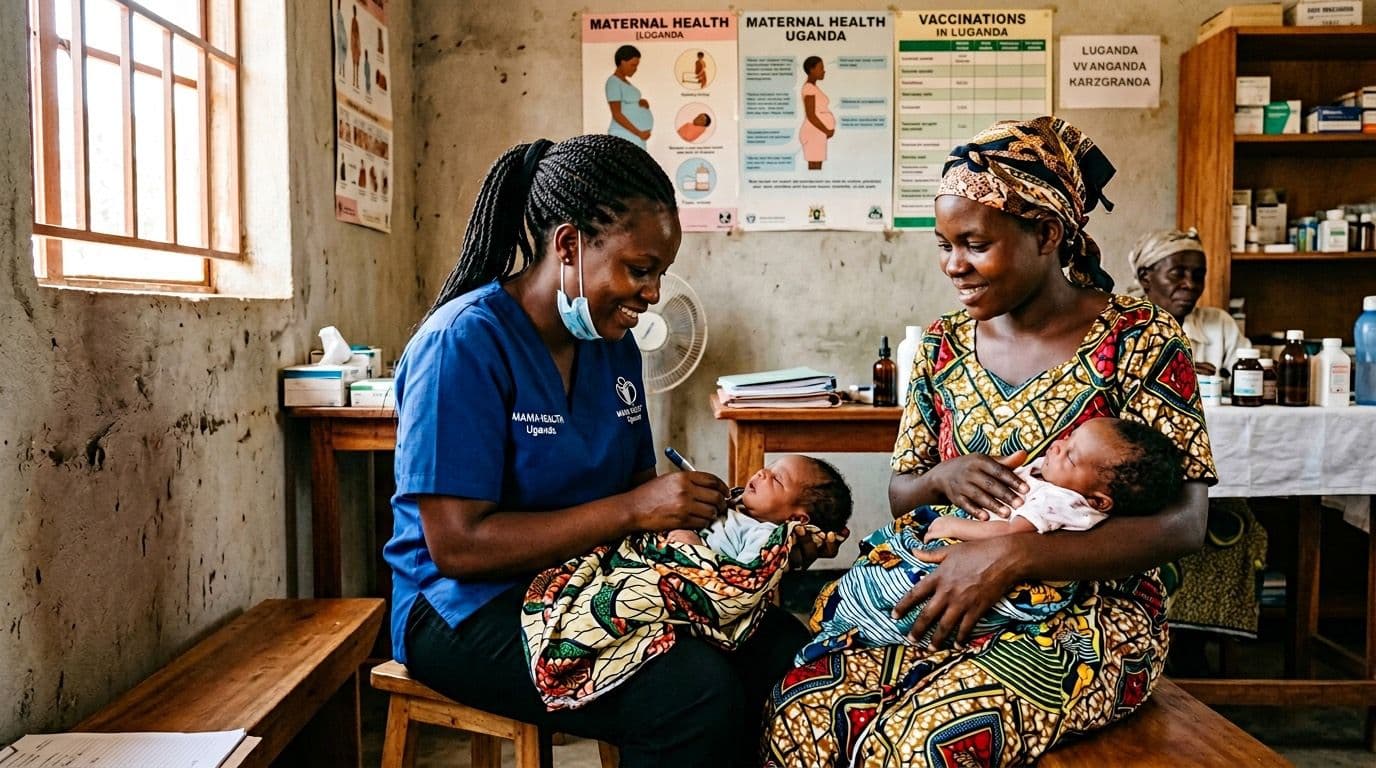
Maternal & Child Health
Evidence on pregnancy, birth, nutrition, and early childhood outcomes to protect mothers and children in rural settings.
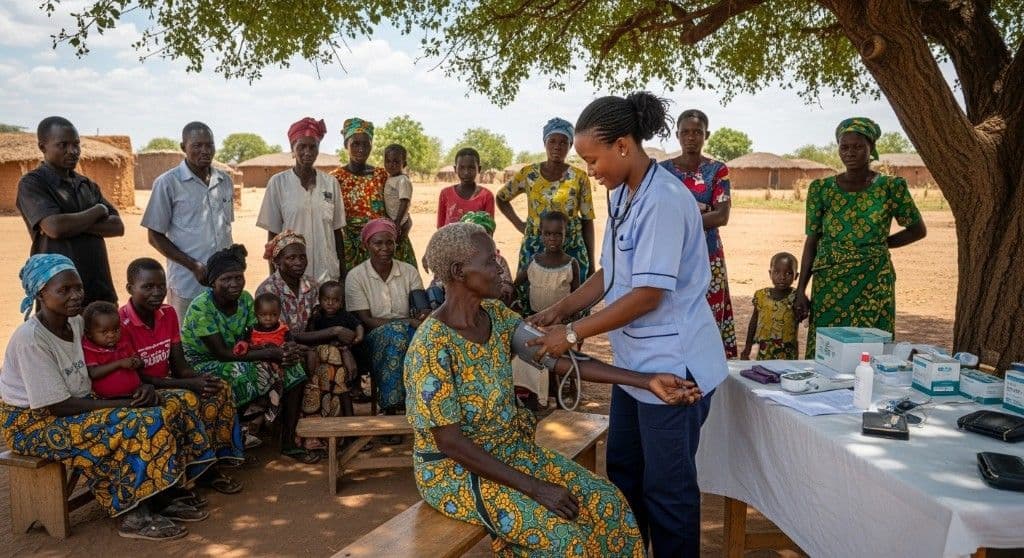
Health Equity & Social Determinants
Understanding how income, education, gender, and geography shape who gets care—and who is left behind.
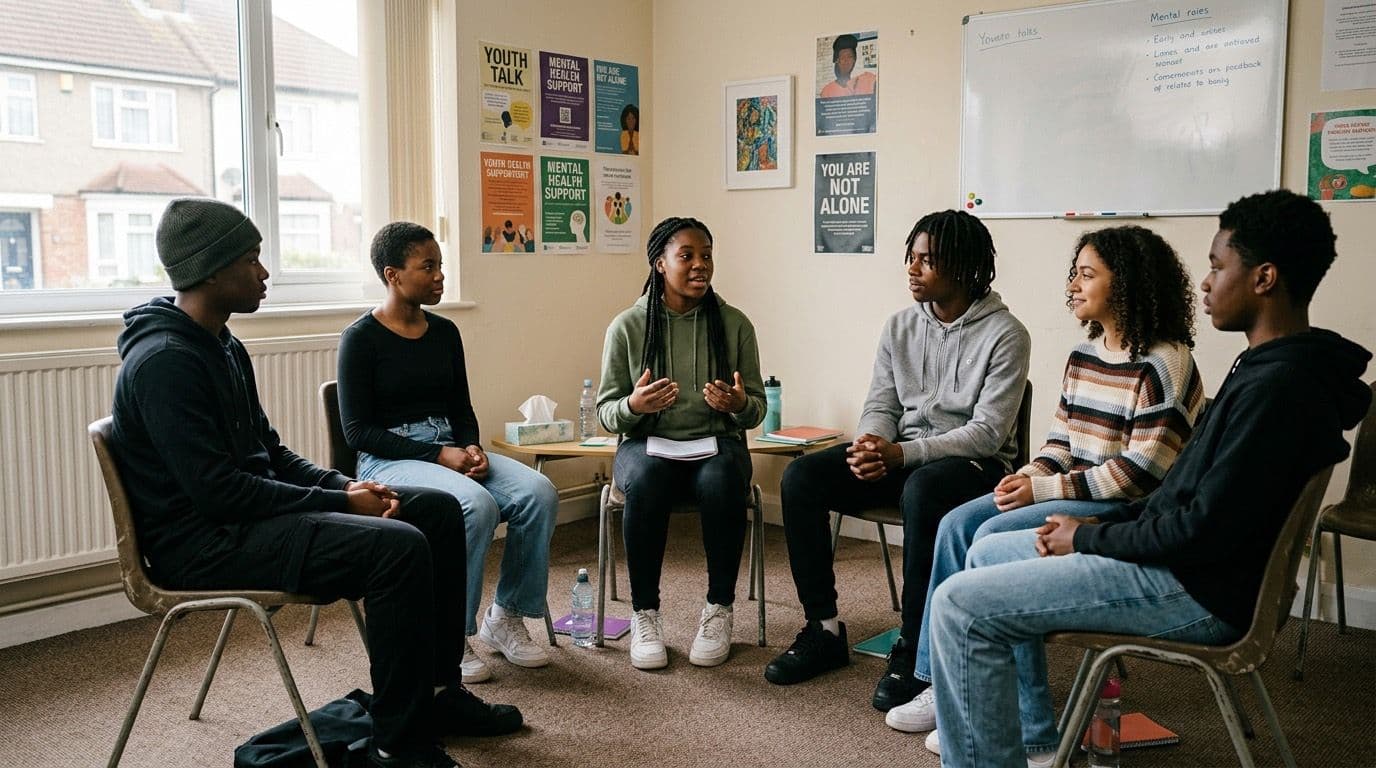
Mental Health & Psychosocial Wellbeing
Community-sensitive research on stress, resilience, and support systems where formal mental health resources are scarce.
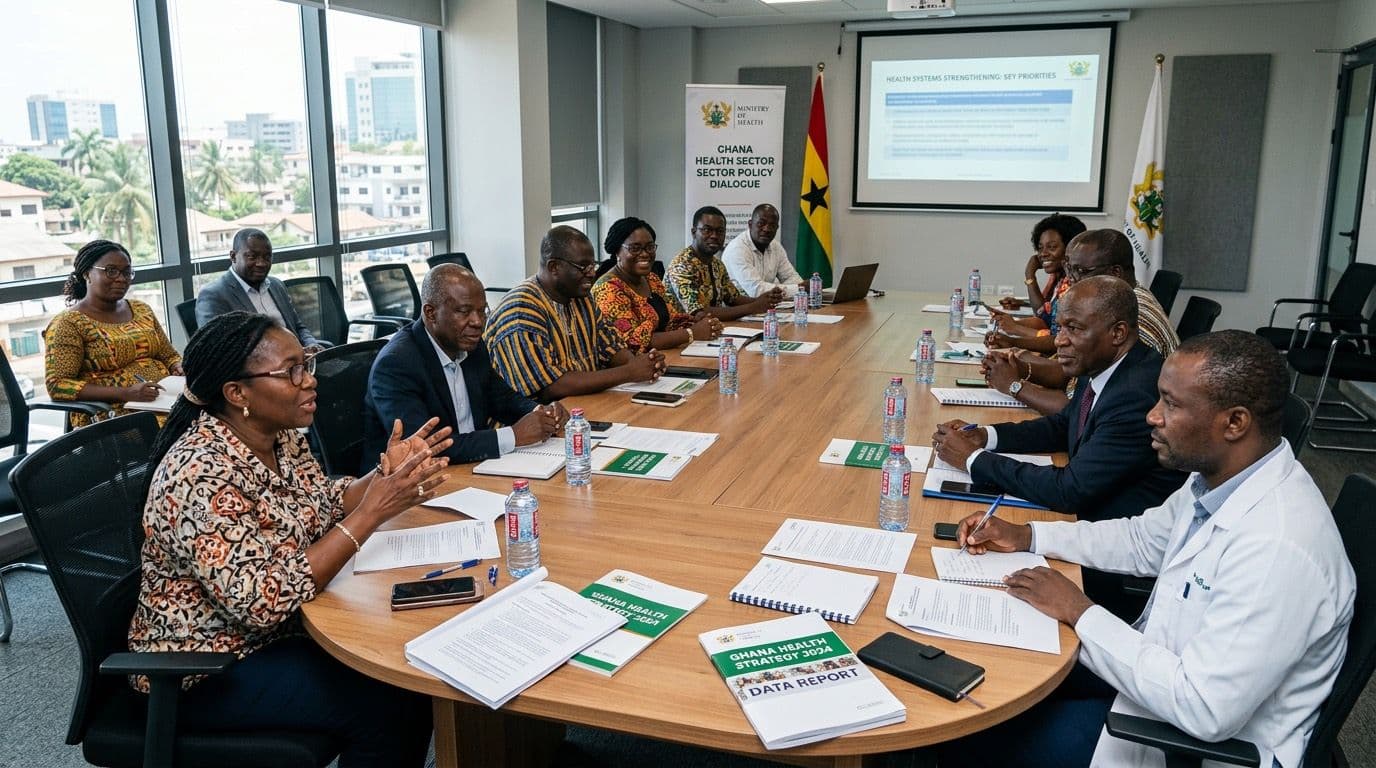
Health Systems & Policy Research
Evaluating delivery models, financing, and governance so policy and practice improve together.
Preventive Health & Behavioural Science
How people adopt healthy habits and preventive services—and how programmes can support lasting change.
Research process
A clear path from local priorities to trusted evidence—from first question to policy-ready outputs.
1. Identify
Priorities from communities, partners, and data
2. Design
Protocols that are ethical, feasible, and useful
3. Engage
Ongoing dialogue with stakeholders
4. Collect
Rigorous, respectful data gathering
5. Analyse
Transparent methods and quality checks
6. Translate
Findings shaped for policy and practice
7. Disseminate
Reports, briefings, and open knowledge
Identify
Priorities from communities, partners, and data
Design
Protocols that are ethical, feasible, and useful
Engage
Ongoing dialogue with stakeholders
Collect
Rigorous, respectful data gathering
Analyse
Transparent methods and quality checks
Translate
Findings shaped for policy and practice
Disseminate
Reports, briefings, and open knowledge
Ethics & evidence quality
Institutional oversight, transparent methods, and community engagement in ethics—not as a checkbox, but as a shared responsibility.
Institutional review & proportionate oversight
Studies undergo ethical review aligned with national guidance and partner requirements. Risk is assessed carefully; consent processes match literacy, language, and context.
Informed consent & ongoing choice
Participants receive clear information on purpose, risks, benefits, and data use. They can withdraw without penalty, and we revisit understanding at longer studies’ milestones.
Data integrity & secure handling
Standard operating procedures cover collection, storage, de-identification, and audit trails. Quality checks and duplicate monitoring reduce error and bias where feasible.
Community voice in research ethics
Advisors help interpret sensitive topics, flag unintended harm, and co-shape dissemination so findings do not stigmatise or misrepresent Walewale and neighbouring communities.
Featured research areas
Three strands where CHWRI is building depth—always with partners who share implementation risk and learning.
Community health workers & last-mile care
CHWRI examines how community health workers extend primary care in Walewale and surrounding districts—what works, what strains them, and how supervision and supplies can be strengthened.
Climate, livelihoods, and health
Research that connects seasonal hardship, water and food security, and service use—so health programmes align with how families actually live through the year.
Participatory monitoring & learning
We embed community voices in study design and feedback loops so evidence reflects lived experience and returns value to participants, not only to journals.
Ongoing & past studies
Representative lines of inquiry—titles are illustrative of themes CHWRI pursues with funders and district health teams.
Feasibility of integrated maternal nutrition counselling via CHW networks (North East Region)
ActiveStigma, help-seeking, and informal support for common mental distress in rural households
ActivePrimary care readiness and referral pathways: a district health facility assessment
ActiveCommunity-led prioritisation for preventive services in Walewale sub-district
CompletedHousehold coping strategies and child illness care-seeking during the lean season
CompletedRapid qualitative assessment of CHW medicine stock-outs and mitigation practices
CompletedPublications preview
Selected outputs—papers, briefs, and learning products—from CHWRI and collaborating authors.

Collaborate With Us on Research
We welcome researchers, universities, NGOs, and government institutions who want co-produced evidence with strong field presence in northern Ghana. Share a concept note or explore joint ethics, data, and dissemination plans with our team.